
Naturopathy — also called naturopathic medicine or nature cure is a distinct system of primary healthcare that combines the wisdom of ancient healing traditions with modern scientific understanding to support the body's inherent ability to heal itself. Officially recognised by the Government of India under the AYUSH framework (Ayurveda, Yoga, Naturopathy, Unani, Siddha, and Homeopathy), naturopathy is practiced at dedicated naturopathy hospitals, wellness centres, and clinics across the country. This article explores what naturopathy is, its foundational principles, treatment modalities, evidence base, and how it fits into India's integrative healthcare landscape.
What is Naturopathy?

Naturopathy is a system of medicine based on the belief that the human body possesses an innate intelligence and healing power called Vis Medicatrix Naturae (Latin: the healing power of nature) that, when properly supported, can prevent and overcome disease. Rather than suppressing symptoms with drugs, naturopathic practitioners aim to identify and address the root causes of illness and create the conditions for the body to heal itself.
Modern naturopathy was formalised in Europe and North America in the late 19th century, drawing on the "nature cure" traditions of Sebastian Kneipp (water therapy), Louis Kuhne (friction bath therapy), and Adolf Just (return to nature). In India, naturopathy developed in parallel through figures like Mahatma Gandhi (a committed practitioner of nature cure), who established a nature cure clinic and wrote extensively on natural healing. Today, naturopathy is one of India's fastest-growing complementary medicine systems.
The Six Principles of Naturopathy
All naturopathic practice whether in a modern clinic or a traditional setting is guided by six foundational principles:
- First, do no harm (Primum non nocere): Use the gentlest, least invasive treatments available. Avoid therapies that suppress symptoms without addressing root causes.
- The healing power of nature (Vis Medicatrix Naturae): Trust and support the body's innate healing intelligence. The practitioner's role is to facilitate healing, not override it.
- Identify and treat the cause (Tolle Causam): Look beyond symptoms to find and address the underlying physical, mental, or lifestyle causes of disease.
- Treat the whole person (Tolle Totum): Consider physical, mental, emotional, spiritual, social, and environmental factors in assessment and treatment.
- Doctor as teacher (Docere): Educate and empower patients to take responsibility for their own health through informed lifestyle choices.
- Prevention (Praevenic): Assess risk factors, hereditary susceptibility, and lifestyle to prevent disease before it manifests.
Core Treatment Modalities in Naturopathy
1. Diet and Nutritional Therapy
Food is considered the primary medicine in naturopathy. A naturopathic diet emphasises whole, unprocessed, plant-based foods; seasonal and locally sourced produce; adequate hydration; and avoidance of refined sugars, processed foods, alcohol, and stimulants. Therapeutic fasting under professional supervision is also used to allow the digestive system to rest and promote cellular cleansing. Research supports the naturopathic dietary approach for preventing and managing type 2 diabetes, cardiovascular disease, and inflammatory conditions.
2. Hydrotherapy (Water Therapy)
One of the oldest and most systematically developed naturopathic treatments. Hydrotherapy uses water in its various forms hot, cold, steam, or ice applied externally to stimulate circulation, support immune function, relieve pain, and detoxify the body. Common techniques include: contrast baths (alternating hot and cold), wet sheet packs, steam baths, sitz baths, and spinal baths. Research supports hydrotherapy for improving circulation, reducing muscle soreness, and supporting immune function.
3. Mud Therapy (Mitti Chikitsa)
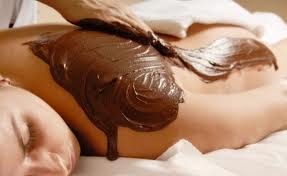
The use of natural earth (mud) applied to the body as packs or baths. Mud therapy is believed to absorb heat and toxins, reduce inflammation, and deliver minerals to the skin. It is used for skin conditions, joint pain, digestive disorders, and as a cooling treatment. Mud therapy is particularly popular at Indian naturopathy centres and has been used in Ayurveda for centuries.
4. Yoga and Exercise Therapy
Physical movement and yoga are integral to naturopathic treatment plans. Yoga combining physical postures, breathing exercises, and meditation addresses both physical and mental dimensions of health. Evidence for yoga's benefits includes improved flexibility, reduced blood pressure, better blood sugar control, reduced anxiety and depression, and improved sleep quality.
5. Massage and Manipulative Therapy
Naturopathic massage stimulates lymphatic drainage, improves circulation, relieves muscular tension, and reduces stress hormones. Specialised techniques include abdominal massage for digestive health, reflexology, and soft tissue manipulation. Research supports massage therapy for reducing anxiety, lowering blood pressure, and improving quality of life in chronic conditions.
6. Herbal Medicine
Naturopathy uses medicinal plants in their whole, minimally processed form teas, tinctures, decoctions, and poultices. Unlike pharmaceutical drugs that isolate single compounds, herbal medicines are used in whole-plant form, which naturopaths believe provides a more balanced and harmonious therapeutic effect. Herbs are selected based on their traditional use and, where available, scientific evidence.
7. Sunlight Therapy (Heliotherapy)
Controlled exposure to natural sunlight for its benefits on vitamin D synthesis, mood regulation (via serotonin), skin conditions (psoriasis, eczema), and immune function. Naturopathy was one of the first medical systems to systematically use sunlight as a therapeutic tool long before vitamin D was identified by science.
8. Chromotherapy and Lifestyle Counselling
Color light therapy and comprehensive lifestyle counselling addressing sleep, stress management, work-life balance, relationships, and purpose are considered essential parts of naturopathic care.
Naturopathy in India - AYUSH Recognition
India's Ministry of AYUSH officially recognises Naturopathy as one of the six traditional medicine systems. The Bachelor of Naturopathy and Yogic Sciences (BNYS) is a five-year undergraduate degree programme offered at government and private institutions across India. Dedicated naturopathy hospitals operate in Bangalore, Pune, Chennai, Delhi, and many other cities, offering inpatient and outpatient nature cure treatments.
The National Institute of Naturopathy (NIN), established by the Government of India in Pune in 1986, serves as the apex institution for naturopathy education, research, and standardisation in the country.
What Conditions Can Naturopathy Help?
Naturopathy is used as a primary or complementary approach for a wide range of conditions, including:
- Chronic digestive disorders — IBS, constipation, acidity, liver conditions
- Lifestyle diseases — type 2 diabetes, hypertension, obesity
- Skin conditions — psoriasis, eczema, acne, urticaria
- Musculoskeletal conditions — arthritis, back pain, fibromyalgia
- Respiratory conditions — asthma, chronic bronchitis, sinusitis
- Mental health — anxiety, depression, insomnia, burnout
- Hormonal disorders — thyroid conditions, PCOS, menstrual irregularities
⚠️ Medical Disclaimer: This article is for educational and informational purposes only. Naturopathy is a complementary and alternative medicine system that should be practiced by qualified BNYS-registered practitioners. It is NOT a substitute for emergency medical care or treatment of serious diagnosed conditions. Always consult a qualified doctor before beginning any naturopathic treatment programme, especially if you have a medical condition or take prescribed medication. The author is not a licensed medical professional.
References & Further Reading
- Ministry of AYUSH, Government of India - Naturopathy. ayush.gov.in
- National Institute of Naturopathy, Pune. NIN.res.in
- Pizzorno JE & Murray MT (2012). Textbook of Natural Medicine. 4th edition. Churchill Livingstone.
- Fleming SA & Gutknecht NC (2010). Naturopathy and the primary care practice. Primary Care: Clinics in Office Practice. PubMed Link
- Wikipedia — Naturopathy. Wikipedia.org
About the Author: Abhishek Verma is a health and wellness blogger with over 10 years of experience writing about Ayurveda, naturopathy, nutrition, and holistic healing. Need Nutrition is dedicated to making traditional and evidence-based health knowledge accessible to everyday readers.
Also read: The Importance of an Active Lifestyle | Unani System of Medicine




0 Comments